Graduating Ph.D. Student, National University of Singapore
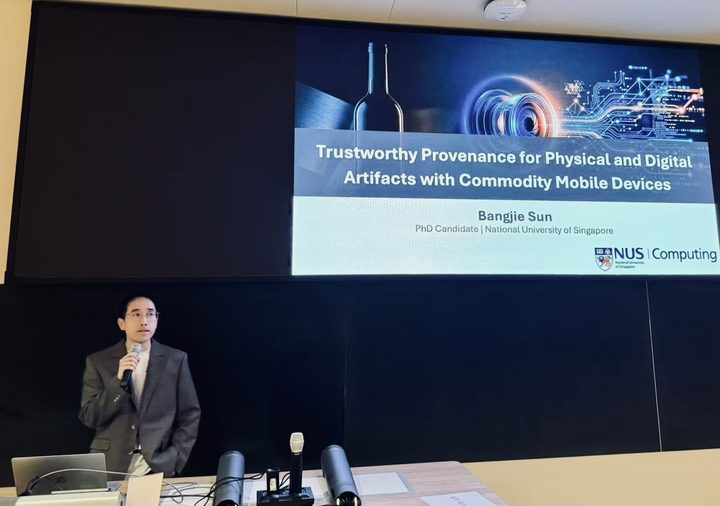
Mobile Sensing for Trustworthy Provenance of Physical and Digital Artifacts.
On the academic job market: actively seeking faculty or postdoctoral positions.
About Me
I am a graduating Ph.D. student at the National University of Singapore (NUS), advised by
Prof. Mun Choon Chan (NUS) and
Prof. Jun Han (KAIST).
My research lies at the intersection of ubiquitous computing, mobile sensing and computer vision, with a central focus on building provenance evidence recovery and verification systems for physical and digital artifacts with commodity devices.
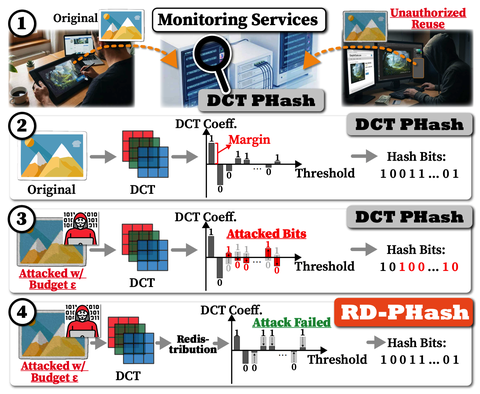
I develop deployable mobile systems that recover, preserve, and verify evidence of the origin, authenticity, ownership, and transformation history of physical products that people rely on in everyday life, such as food and protective materials, and digital content that underpins online trust, such as images and other media vulnerable to misuse, manipulation, or theft.
I am on the academic job market and currently seeking faculty or postdoctoral positions.
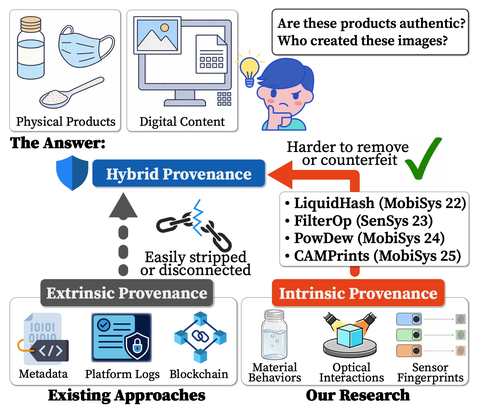
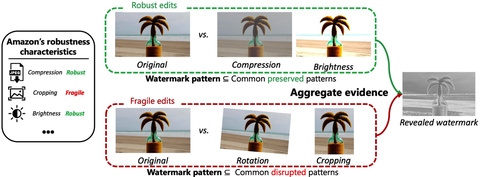
A central premise of my research is that no single provenance signal is sufficient on its own. Beyond cryptographic records and other forms of extrinsic provenance, I investigate how visible physical signals, sensor fingerprints, and computational forensics can provide complementary intrinsic provenance for building trustworthy systems that remain robust under adversarial manipulation. Equally importantly, I aim to make provenance evidence recovery and verification ubiquitous - practical on commodity everyday devices rather than confined to specialized laboratories or proprietary platforms. Ultimately, my goal is to advance hybrid provenance systems that integrate these complementary signals to establish trustworthy provenance for physical and digital artifacts in real-world settings.
Trustworthy ProvenanceUbiquitous ComputingMobile & Sensing Systems
Recent News
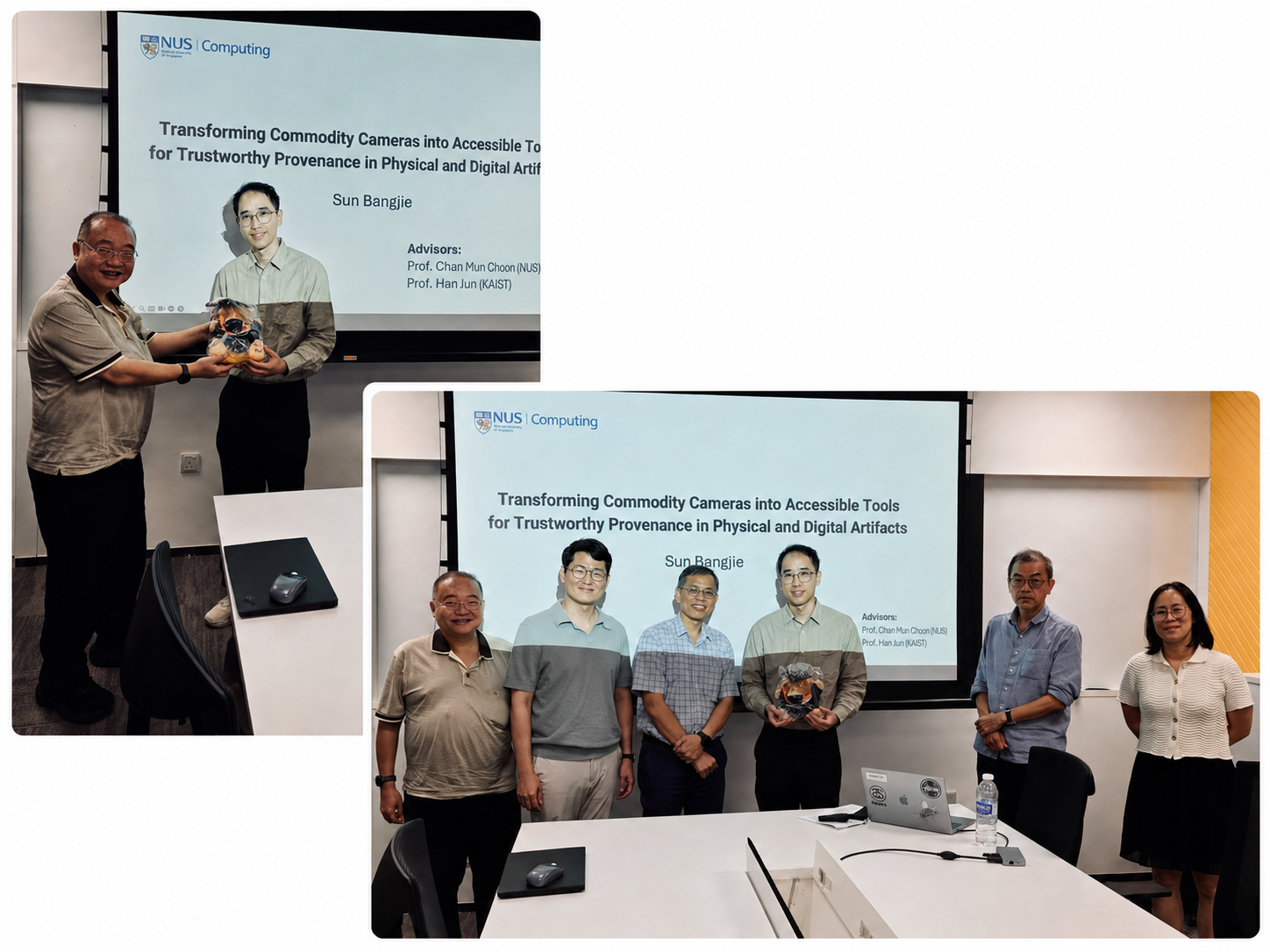
[Aug 2025]🏆Received the NUS SOC Dean's Graduate Research Excellence Award.
Award[slides]
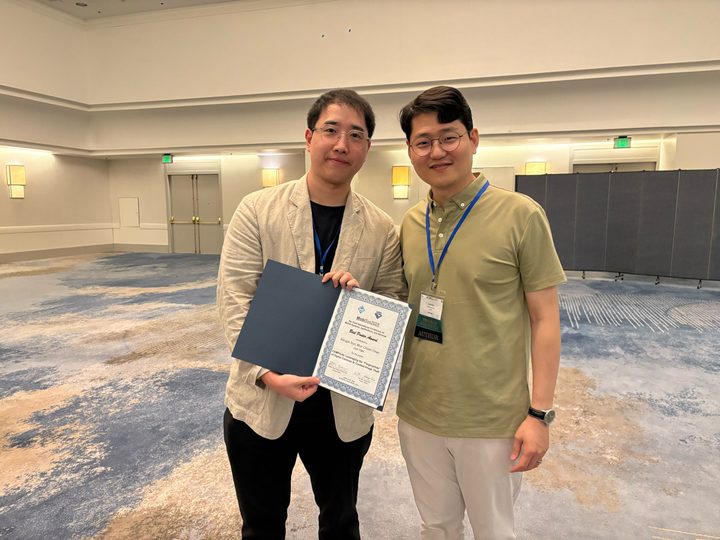
[Jun 2025]🏆Our poster “CAMPrints: Leveraging the “Fingerprints” of Digital Cameras to Combat Image Theft” won the Best Poster Award at ACM MobiSys'25.
Best Poster Award
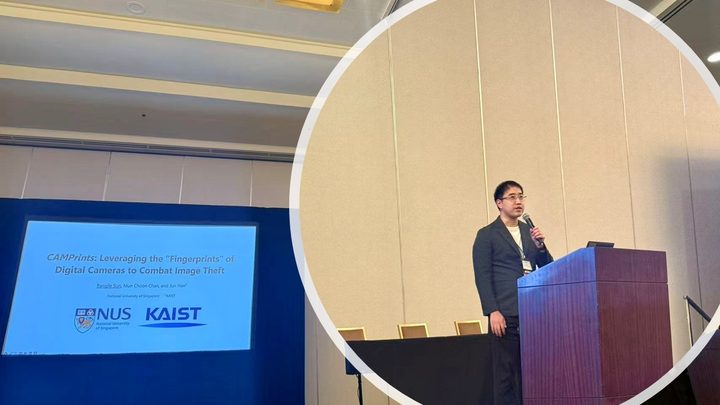
[Apr 2025]📄Our paper “CAMPrints: Leveraging the “Fingerprints” of Digital Cameras to Combat Image Theft” was accepted to ACM MobiSys'25.
AcceptedPresented
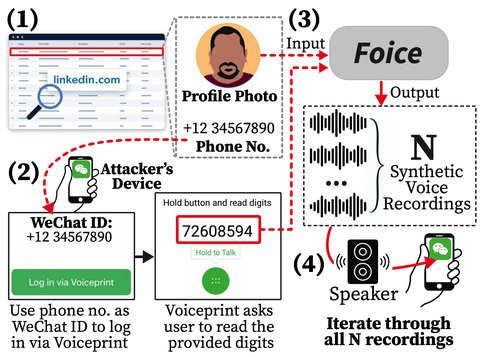
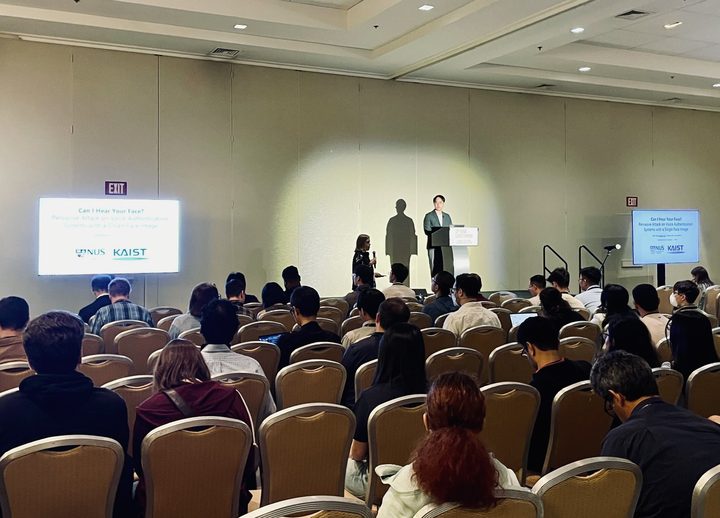
[Jul 2024]📄Our paper “Can I Hear Your Face? Pervasive Attack on Voice Authentication Systems with a Single Face Image” was accepted to USENIX Security'24.
AcceptedPresented
[Jun 2024]🏆Our paper “PowDew: Detecting Counterfeit Powdered Food Products using a Commodity Smartphone” won the Best Paper Award at ACM MobiSys'24.
Best Paper Award
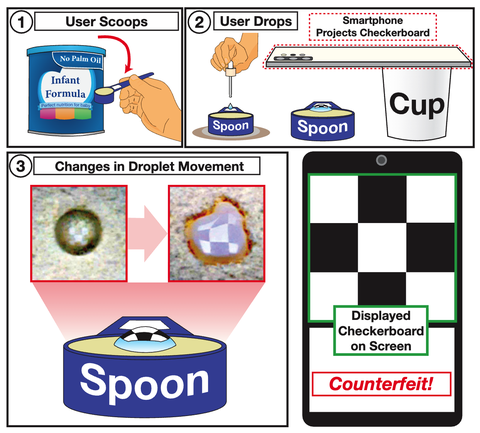
[Apr 2024]📄Our paper “PowDew: Detecting Counterfeit Powdered Food Products using a Commodity Smartphone” is accepted and will appear at ACM MobiSys'24.
Accepted 📝Our poster “Towards Counterfeit Powdered Food Products Detection using a Commodity Smartphone” is accepted and will appear at ACM MobiSys'24.
Accepted
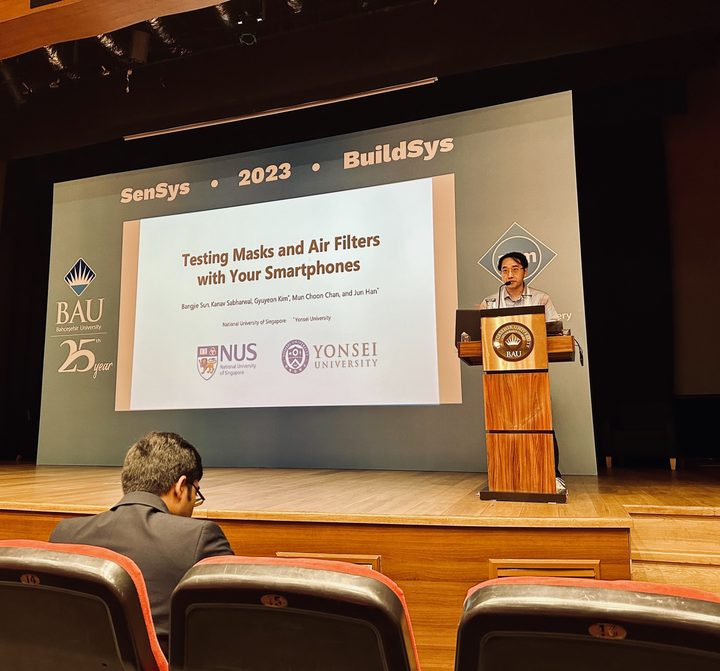
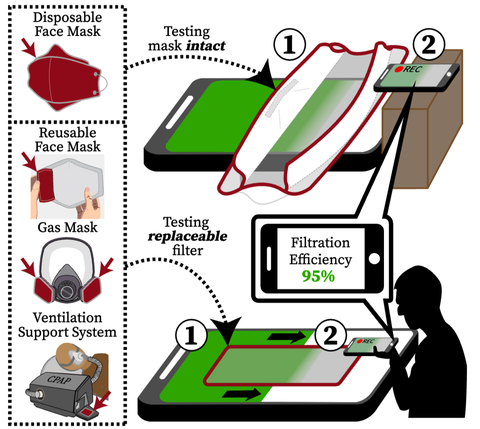
[Sep 2023]📄Our paper “Testing Masks and Air Filters With Your Smartphones” is accepted and will appear at ACM SenSys'23.
AcceptedPresented
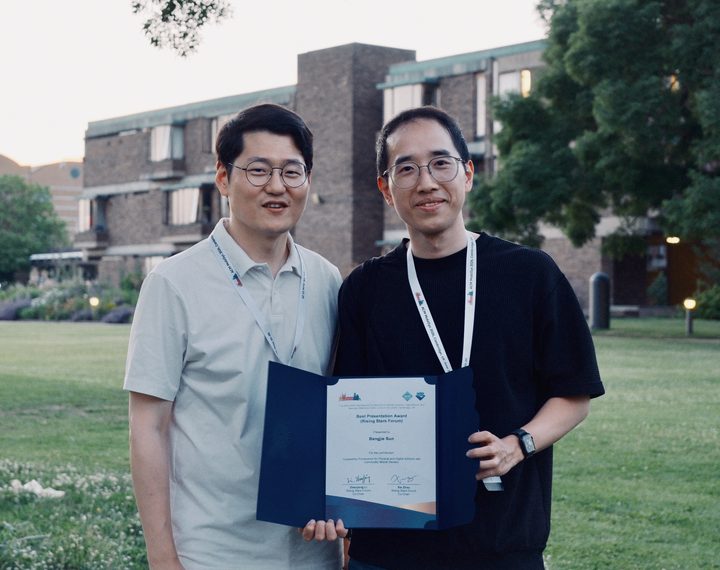
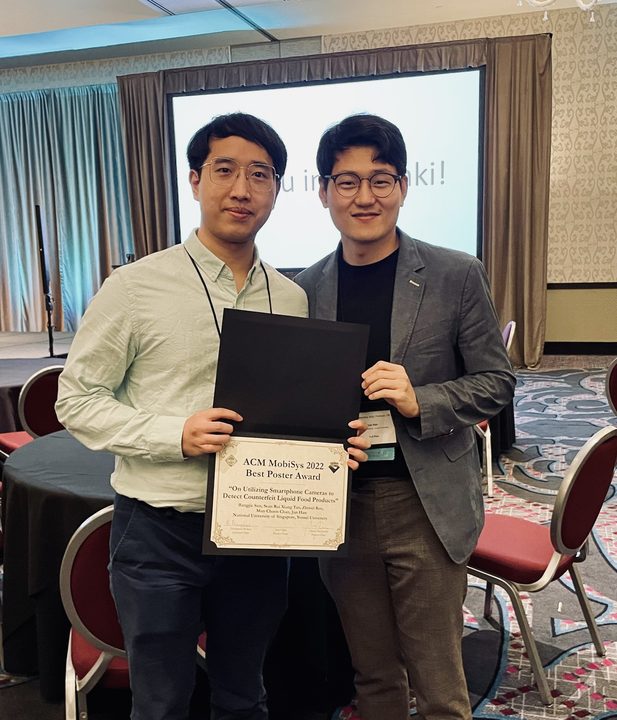
[Jun 2022]🏆Our poster “On utilising smartphone cameras to detect counterfeit liquid food products” won the Best Poster Award at ACM MobiSys'22.
Best Poster AwardPresented
[May 2022]📝Our poster “On utilising smartphone cameras to detect counterfeit liquid food products” is accepted and will appear at ACM MobiSys'22.
Accepted
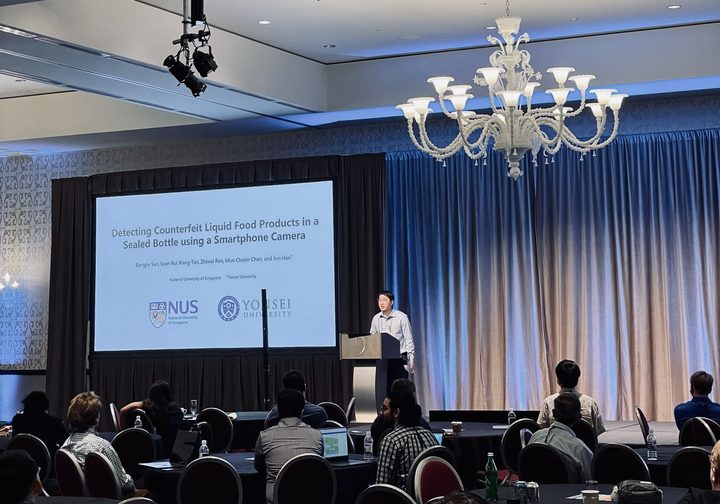
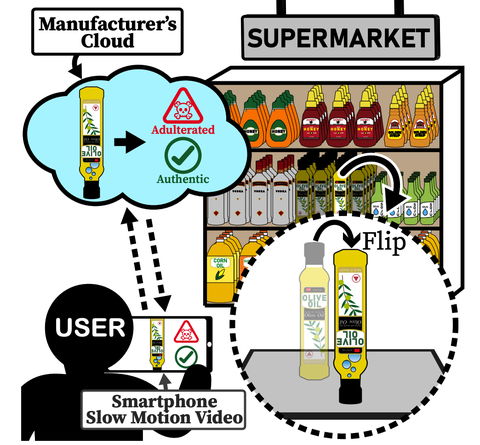
[Mar 2022]📄Our paper “Detecting counterfeit liquid food products in a sealed bottle using a smartphone camera” is accepted and will appear at ACM MobiSys'22.
Accepted
[Nov 2021]đź“°Our paper is featured on several news/media including: Forbes, The Register, Y Combinator's Hacker News, Techlog360, NewScientist, SPIEGEL, TechRadar, Bitdefender and others.
Media Features
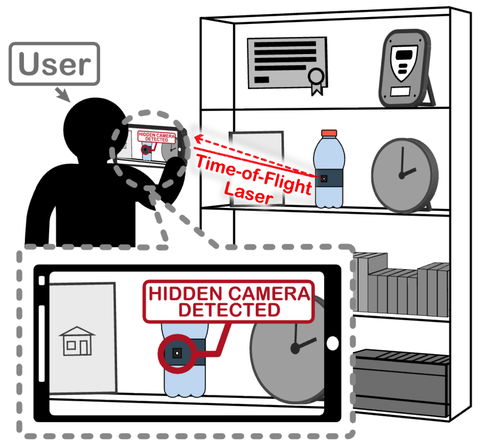
[Oct 2021]📝Our poster “On Utilizing Smartphone Time-of-Flight Sensors to Detect Hidden Spy Cameras” is accepted and will appear at ACM SenSys'21.
Accepted 📄Our paper “LAPD: Hidden Spy Camera Detection using Smartphone Time-of-Flight Sensors” is accepted and will appear at ACM SenSys'21.
Accepted
[Aug 2020]🎓I join National University of Singapore as a graduate tutor and Ph.D. candidate.
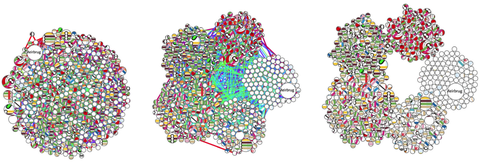
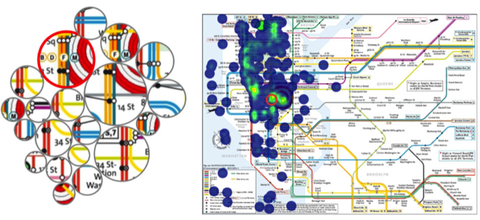
[Jul 2020]📄Our paper “Exploring Eye Movement Data with Image-Based Clustering” is published at Journal of Visualization.
Published
[May 2020]🎓I complete my Bachelor's degree in Computer Science in National University of Singapore.
[Sep 2019]📄Our paper “EyeClouds: A Visualization and Analysis Tool for Exploring Eye Movement Data” is published at VINCI'2019.
Published
[Feb 2019]🌍I visit Eindhoven University of Technology as an exchange student.
[May 2018]đź’ĽI start my six-month internship as a software engineer at Paypal Singapore Development Centre.
[Apr 2018]🎮Our VR detective game prototype “ByStanders” is demonstrated in the 12th SoC Term Project Showcase (STePS).
[Aug 2016]🎓I join National Univeristy of Singapore for my Bachelor's degree in Computer Science.
This section highlights my selected research publications. You can see a summary of my research focus in the word cloud below, or filter the list to find specific work.
Research Focus
Filter Publications
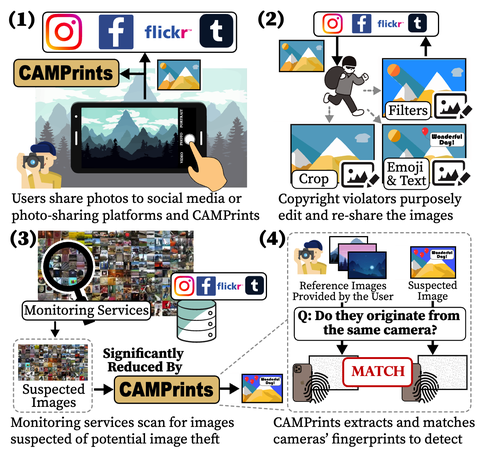
CAMPrints: Leveraging the “Fingerprints” of Digital Cameras to Combat Image Theft
Published in MobiSys '25
👤Authors:Bangjie Sun, Mun Choon Chan, and Jun Han
My research agenda is to make provenance both trustworthy and ubiquitous across physical and digital domains. A core methodology in this agenda is Visible Physics, which leverages mobile sensing with commodity devices to recover and verify evidence tied to origin, authenticity, ownership, and transformation history.
Representative Projects
Physical Product Provenance
Material Behaviors as Intrinsic Evidence
This line of work recovers difficult-to-fake material evidence from everyday products using commodity RGB cameras. It treats observed physical behavior as provenance signals for authenticity and quality.
Multimodal sensing for in-the-wild verificationHybrid provenance systems
Digital Content Provenance
Sensor Data as Intrinsic Evidence
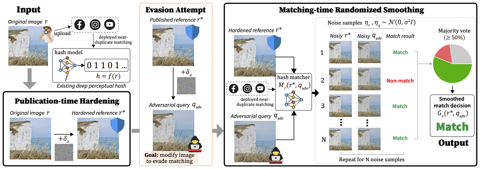
This track anchors attribution in physical device identity. In CAMPrints, PRNU traces are extracted and matched so content can be linked back to source cameras even after compression and editing. We are also exploring how to extend this approach to digital art and AI-generated media, where intrinsic provenance is often unavailable or insufficient.
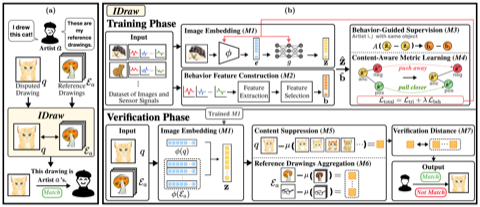
Sensor-augmented digital art creation and provenanceProvenance recovery and verification of AI-generated media
Security, Robustness and Privacy
Adversarial Analysis and Defenses
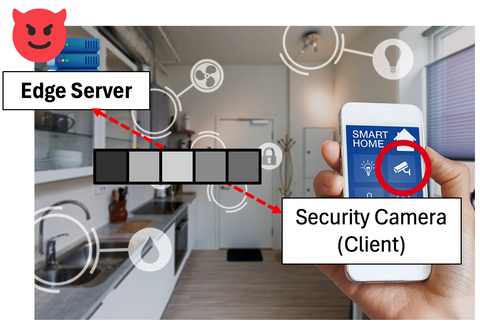
Provenance is only meaningful when it stays reliable under attack. This line studies vulnerabilities and defenses across sensing, inference, and media generation pipelines.